On slowing down, listening deeply and the future we can choose to create
We are living in an age of extraordinary access to information.
Within seconds, we can search, summarise, translate and generate almost anything. The pace of technological change and the sheer volume of knowledge now available to us, is unprecedented in human history.
And yet, it feels as though something is missing.
In the conversations I have with leaders, professionals, individuals navigating significant change – there is a consistent thread. A sense that despite knowing more than ever, we feel less sure of ourselves than perhaps we should. The immediate access to information has not necessarily brought us closer to the answers that matter most.
Perhaps we have forgotten the difference between wisdom and the knowledge we’ve been so busy accumulating.
Knowledge and wisdom are not the same thing
In The Rock, T.S. Eliot asked: “Where is the wisdom we have lost in knowledge? Where is the knowledge we have lost in information?”
Knowledge, as researchers describe it, is the accumulation of facts, information and understanding. Wisdom is something altogether different – the synthesis of knowledge and lived experience into insight that deepens our understanding of what it means to be human.
AI tools, chat bots and quick sources of information give us knowledge at extraordinary speed. But knowledge without wisdom is a tool without a craftsman. And in a world moving as fast as ours, the difference between those two things has never mattered more.
The train has left the station
There is a feeling amongst many people I speak to that the train is moving so fast the only option is to jump on without pausing. And that direction of travel may well make sense. But isn’t it worth a moment to tune into our own inner wisdom before we do?
Daniel Kahneman’s research on thinking fast and slow is useful here. He described two cognitive systems – System 1, which is fast, automatic and intuitive, and System 2, which is slower, deliberate and analytical. Most of the pressure of modern life pushes us relentlessly into System 1 – reacting, scanning, responding, absorbing. We are consuming knowledge at speed. But wisdom tends to emerge in System 2. In the slower, more reflective mode of thinking that requires us to pause, sit with complexity and allow insight to surface rather than forcing it.
When we lead with our minds constantly – when we are always doing and never being – we miss the deeper signals. The body’s intelligence. The gut sense that something is or isn’t aligned. The lived knowledge that accumulates over years and decades of experience, waiting to be consulted if only we slow down enough to listen.
What if gaining knowledge is only part of it? What if we could refocus some of our attention on the deeper, slower work of cultivating wisdom?
The Tao of Pooh and the Wisdom of the Earth
The Tao of Pooh by Benjamin Hoff has been a life long companion. Its simplicity and its invitation to simply be in the present moment is a welcome counterweight to the pace of everything else.
Alongside it, I have been drawn back to other classics such as: Braiding Sweetgrass by Robin Wall Kimmerer, Weavers of Wisdom by Anne Bancroft, How to Stay Sane in an Age of Division by Elif Shafak and The Paths to God by Ram Dass.
These books share the wisdom of the earth, the teachings of our elders, and the understanding that has been accumulated not in seconds but over generations.
Robin Wall Kimmerer writes about the intelligence of plants – how a forest communicates, shares resources, and holds memory across centuries. There is a humility in that perspective that I find revolutionary. We are not the only intelligent system on this earth. And we have much to learn from the ones that have been here far longer than we have.
This is what wisdom has always looked like – not a quick answer, but a deeper listening.
To listen not just to ourselves but to those around us – colleagues, elders, mentors and communities who have navigated, survived, learned and grown through life experiences.
Listen. Learn. Pay attention. These are ancient practices that the pace of modern life has been deprioritising. But perhaps all is not lost.
Rebuilding systems for wisdom
Here is what I find most hopeful about this moment.
We have the agency to reshape how we live and work. The train is moving fast but that does not mean we have to simply accept the direction of travel. One of the extraordinary possibilities of living in continuous change is that change does not have to happen to us. We can play a part in the kind of future we want to create.
That might look like:
- Rewarding slower, more deliberate thinking in our organisations and our leadership. Creating the conditions for reflection, not just reaction. Demonstrating – as leaders – the power of the pause.
- Recreating communities of guidance, counsel and support – in our workplaces, our teams, our professional networks. Spaces where people learn together, support each other and share not just knowledge but the gift of experience.
- Making room for nature in the day to day. Not as a luxury but as a necessity. The wisdom of the natural world is available to all of us, if we step outside long enough to receive it.
And perhaps most importantly: giving ourselves and those around us permission to not know everything immediately. To sit with complexity. To draw from the deeper wells of wisdom that are already within us, waiting to be remembered.
A practice for this week
Find twenty minutes this week away from a screen.
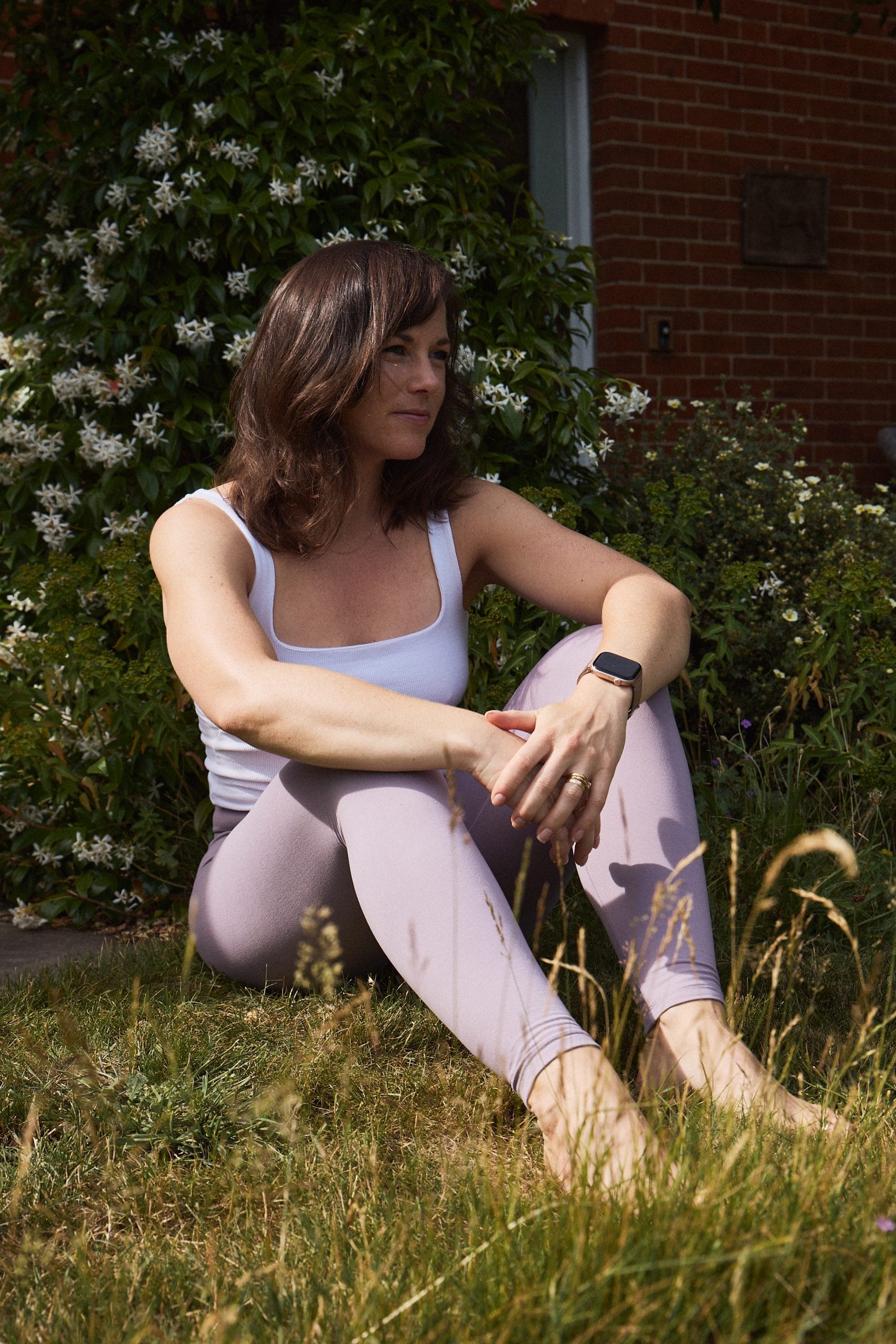
Go outside if you can. Sit with a book that asks something of you. Have a conversation with someone whose experience you respect and whose perspective you haven’t yet fully heard.
And ask yourself:
What do I already know – not from a search or a tool, but from the life I have lived – that is worth trusting right now?
What sources of wisdom are you returning to right now? I would love to hear!