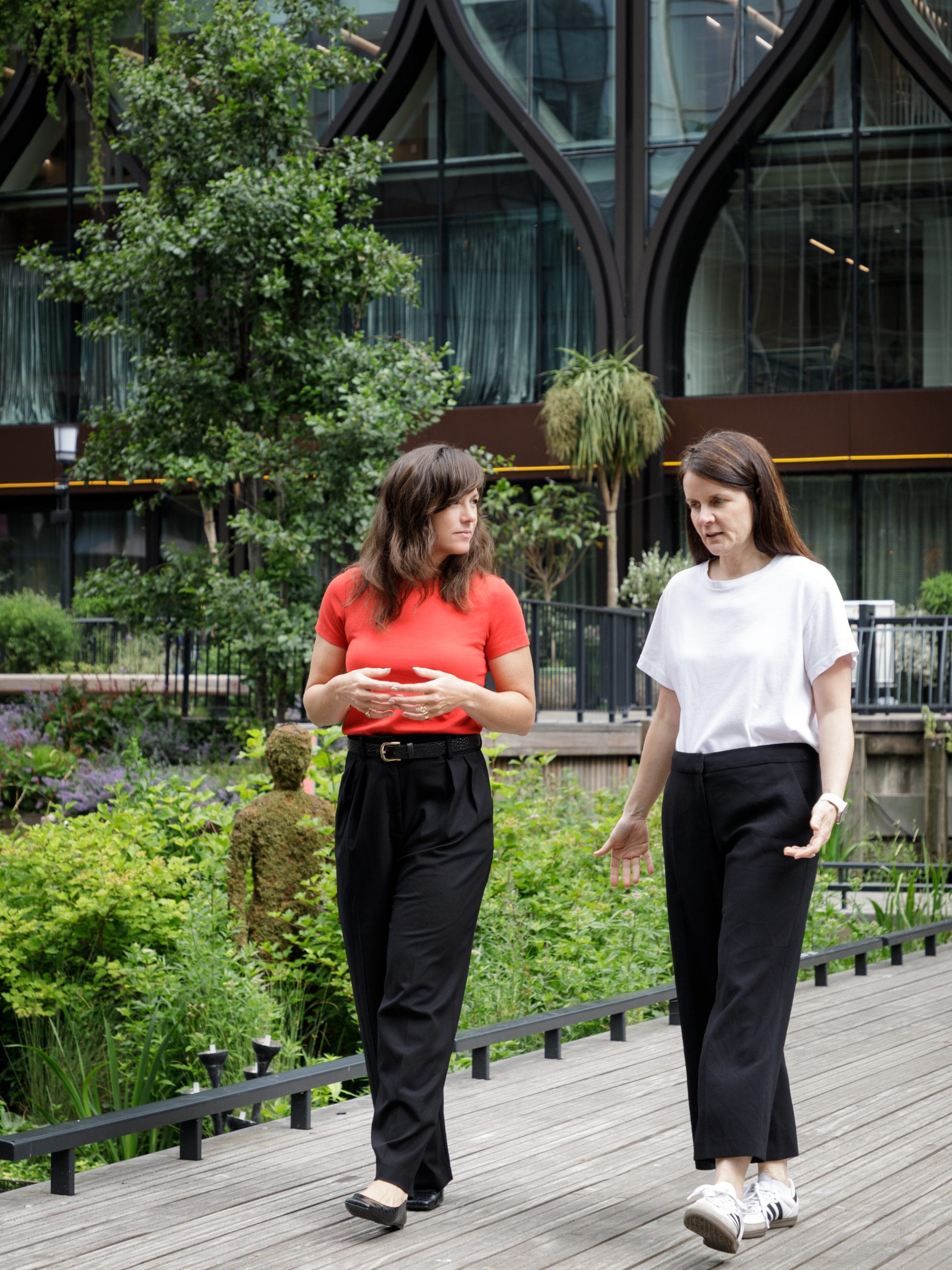
During the last week, I have had the joy of being in training. Which for me has meant being mindful and present, soaking up as much as possible.
A stark contrast to many an October in previous years.
The phrase “shift from mindless pressure and pace, to mindful attention and growth’ has become a central theme in how I live my life, and in the work I do with my clients.
When I set up Root Beginnings, the thread through everything I wanted to do was to create space.
For years, I had operated in a world which gave me no space at all to be anything other than my job. I became submerged in mindless activity, without any mindful attention to why it mattered.
As Jake Atha said on Medium: “You don’t feel broken – you feel dimmed. This is the cost of living a life that is well-managed but not well-lived.”
Living well will look and feel different for everyone, but when was the last time you gave yourself the space to look at your life and ask:
What does living well mean for me, and am I living it?
Autopilot to attention
In the environment many of us operate in, there is little room for that extra space. Schedules are relentless, and there’s a very real added layer of transition many of us are experiencing: professional identity, overwhelm, anxiety.
Do you relate to that feeling of galloping along without knowing why or where?
Autopilot is the automatic part of the brain at work, and it’s a critical function. It keeps us going. But when stress is added, it can keep us simply functioning rather than flourishing.
Autopilot living isn’t a clinical diagnosis, but it’s a pattern many of us will recognise. Forbes recently described it as being “always busy, rarely present”. We move through the motions, feeling a little disconnected from ourselves.
So how do we recognise the signals and interrupt the cycle?
Dr Luana Marques has a helpful model called TEB (thought, emotion, behaviour), which shows how our thoughts, emotions and behaviours are all connected. She uses it mainly for avoidance, but I think it maps well to autopilot too. It builds awareness of what we’re thinking and feeling, so we can respond with clarity rather than react with habit.
That takes attention, and not only in the mind. The body gives us cues we don’t always notice: tension in the shoulders, shallow breath, that uncomfortable gut feeling. We rarely make choices on logic alone, emotions play a part too, so using both mind and body as sources of insight can give us a clearer sense of judgement.
And it all starts by meeting ourselves where we are.
Not where we think we should be, not where we feel pressured to go, but right here, in this moment.
What does living well mean for me, and am I living it?
Give one of these a go:
- TEB check-in: Next time you notice a reaction, ask yourself: What am I thinking? What am I feeling, and where in my body? What am I about to do?
- A two-minute pause: Sit quietly and follow your breath. When your mind wanders, gently bring it back. That coming back is the practice.
- A creative moment: Draw, doodle or write for ten minutes about what you want more of in your life. It moves us from thinking to taking an intentional step.